
February is Heart AWARENESS Month
After more than 25 years working as a cardiac nurse specialist, I have learned that the heart is both remarkably resilient and quietly vulnerable. I have supported people through moments of crisis, recovery, anxiety and relief. If there is one message I would like everyone to understand better, it is this heart disease rarely arrives suddenly. It usually develops gradually, often over many years, and its early warning signs are frequently missed or misunderstood.
Heart awareness is not about fear. It is about understanding your body, noticing changes, and taking action early.
There is still a common belief that heart disease mainly affects older men, but this is simply not the case. I have cared for people in their thirties and forties with serious heart conditions, and for many women whose symptoms were overlooked because they did not match the so called typical presentation. Heart disease remains one of the leading causes of death in the UK and worldwide, and much of it is preventable.
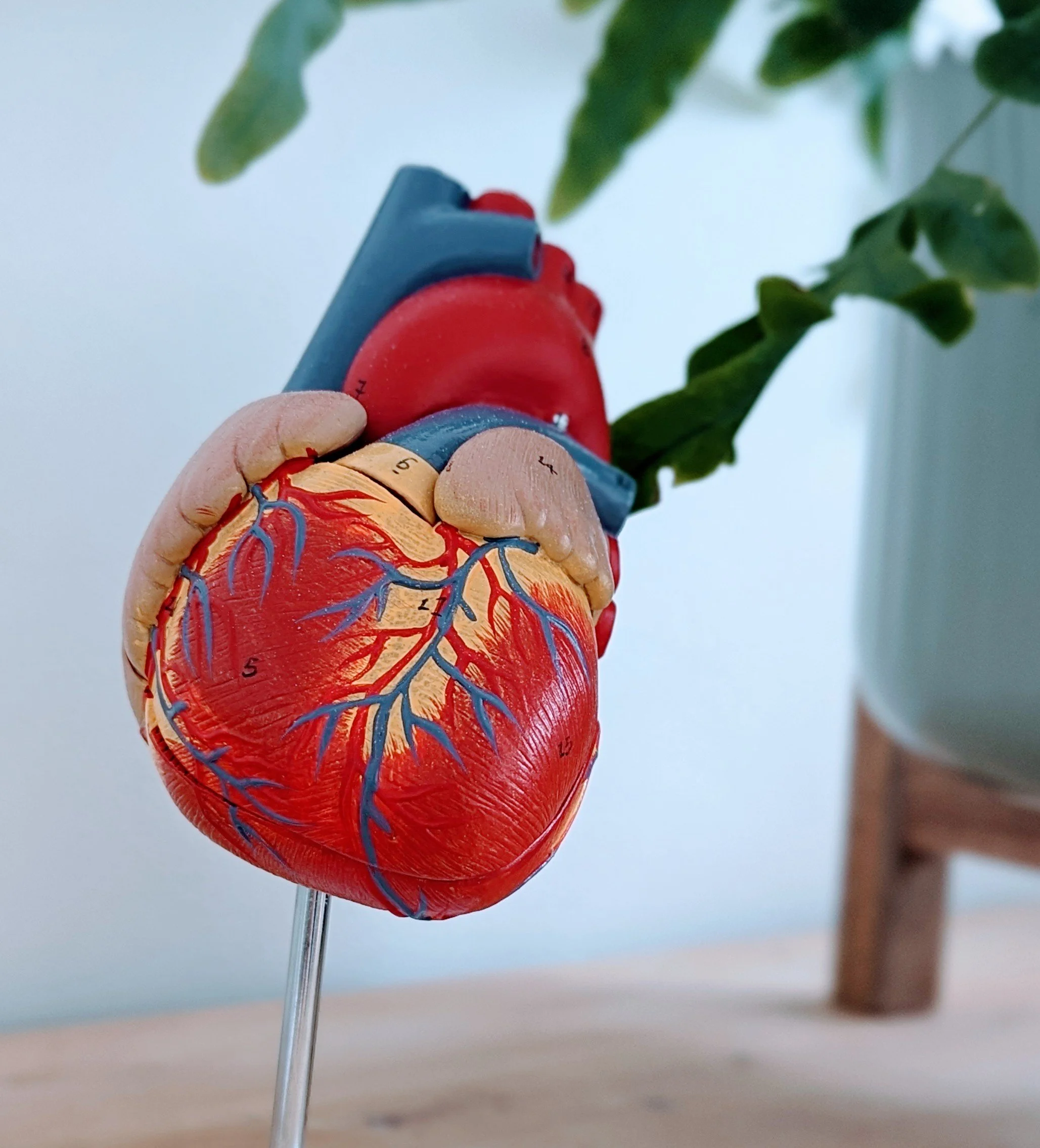
Recognising symptoms is one of the greatest challenges. Chest pain is the symptom most people associate with heart problems, but it is not always present. Breathlessness, unexplained fatigue, nausea, dizziness, palpitations, discomfort in the jaw, neck or arm, or a general sense that something is not quite right can all signal strain on the heart. Women, in particular, may experience more subtle symptoms, which is why listening to your body and trusting what it is telling you is so important.
Throughout my career, I have often heard people say, I did not want to waste anyone’s time, or I thought it was just stress. While stress is a part of modern life, it should never be dismissed. Ongoing stress raises blood pressure, disrupts sleep, affects blood sugar levels and increases inflammation, all of which place extra demand on the heart. Managing stress is not a luxury. It is an essential part of protecting heart health.
Lifestyle plays a far greater role than many people realise. The heart responds directly to how we live day to day. Regular physical activity, even gentle walking, improves circulation and reduces risk. A balanced diet rich in vegetables, fruit, whole grains, healthy fats and lean protein supports cholesterol levels and blood vessel health. Good quality sleep allows the heart to recover. Avoiding smoking remains one of the most powerful steps anyone can take to protect their cardiovascular system.
Over the years, I have monitored blood pressure, cholesterol, blood sugar and waist measurements for thousands of patients. These numbers often tell a story long before symptoms develop. Knowing your numbers and reviewing them regularly with a healthcare professional can quite literally save your life. Prevention may be quieter than emergency care, but it is far more effective.
One point I always emphasise is that heart health is not about perfection. It is about patterns. Small, consistent changes matter. An extra five minutes of movement each day. One fewer sugary drink. One more home-cooked meal each week. Over time, these choices add up.
Perhaps the most important lesson I have learned is that your heart works tirelessly for you, every second of every day. It deserves attention, respect and care, not only when something goes wrong, but long before that moment arrives.
Heart awareness means noticing early signs, seeking help promptly, and understanding that it is never too late to make positive changes. Whether you are 25 or 75, the steps you take today can improve how your heart supports you tomorrow.
Your heart is listening to how you live. The question is, are you listening to your heart?