
Alcohol, sobriety, and the benefits of taking a break.
People all over the country have started the new year with the pledge of “doing dry January”.
After the Christmas period, where people eat and drink more than they normally would, the new year seems like a good time to take a break from alcohol.
As a previous drinker, I never managed or even wanted to “do dry January”. At a time of year where there is nothing going on, the weather is miserable, and everyone is broke, I used to think drinking would make life more barrable and fun. I was even known to throw parties in the weeks after New years, with the excuse of using up all the Christmas drinks.
I binge drank socially for years, and never really questioned my relationship with alcohol until I reached 40. I was getting drunk more quickly and experiencing lapses in my memory which resulted in blackouts, and crippling anxiety the morning after (hangxiety). This all tied in with the perimenopause. Accumulating in a personal decision to go sober in 2022.
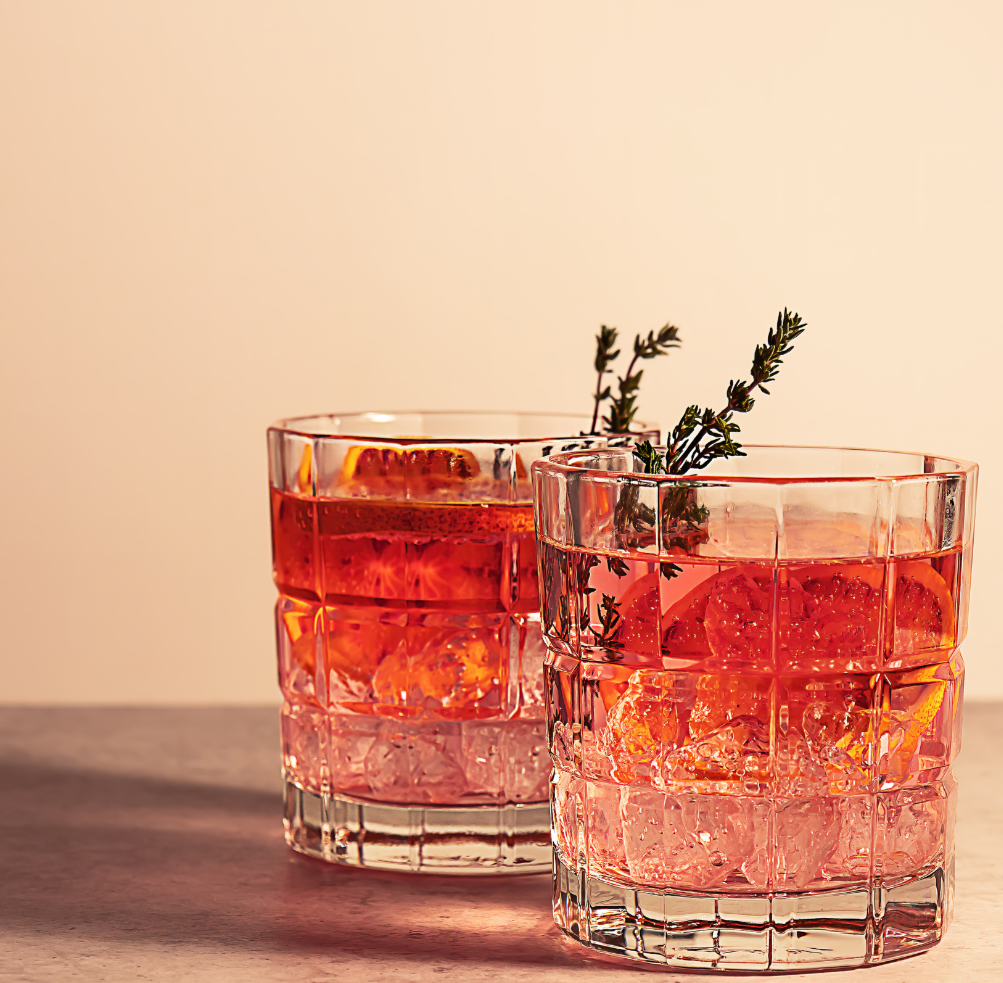
I have just experienced my 4th sober Christmas, so when dry January came around this year I didn’t even think about it. However, 2 weeks in to the new year I have friends mentioning that they have given in or will just drink at the weekends, and it reminded me of how much alcohol used to govern my life, and how, without it, my life has changed beyond measure in a positive way.
Now, I do not want this post to feel judgemental in anyway, but if I can help inspire one person who maybe struggling with their relationship with alcohol then I am happy with that. I do not have an issue with people drinking, but I do have an issue with how society glamorises and normalises drinking in every social situation in the UK, how people are then judged once they do admit to having a problem, and how hard it is to justify why you choose not to drink.
“Alcohol is the only drug you have to justify why you are not taking it”.
Even though there are no safe-limits of alcohol, and that alcohol is classed as a grade 1 carcinogen, it is still marketed on the television, it is readily available to buy 24-hours a day if you so choose, and is used widely in society to mark every occasion from birth to death.
The World Health Organisation published 2019 data stating that there were 2.6 million deaths associated with alcohol consumption world wide. 7% of the worlds population aged over 15 lived with alcohol use disorder and 3.7% lived with alcohol dependence.
Alcohol increases the risk of cancer; practically head and neck, breast, bowel, oesophageal, and liver cancer. It also increases the risk of suicide, violence and aggression, road traffic accidents, falls, drowning, burning, and sexually transmitted diseases, not to mention the negative effects on mental health disorders, depression and anxiety.
Alcohol contains ethanol, a psychoactive and toxic substance. When we ingest alcohol, our liver breaks down the alcohol (metabolises) and creates waste products (metabolites), this can only occur once we stop drinking, at roughly a unit per hour. So if you drink 4 glasses of wine (approximately 8 units), and your last drink is at midnight, then it will take at least 8-hours to have safe readings of alcohol in your blood stream. However, the metabolites of alcohol can be present in the body for up to 3-5 days.
If you were like me and you only drank at the weekends, then your body is not clear of the metabolites of alcohol until at least Wednesday. This is why you start to struggle going into the weekend as you start to crave alcohol again. As we age our liver processing gets slower and it takes longer to get rid of alcohol in the system. Which is one of the reasons hangovers get worse as we age.
Because alcohol has a sedative effect, sleep often comes quickly. However, alcohol causes a disruption in the neurotransmitters that regulate sleep and our internal body clock (circadian rhythm), meaning we spend less time in deep sleep (REM), which is the phase of sleep that is responsible for memory and emotional processing. Even 1 drink can disrupt sleep quality by 10%. If you are drinking every night, the accumulative, subtle effect of sleep deprivation increases the risk of chronic disease and reduces life expectancy. Plus you are more likely to snore as the neck muscles relax and obstruct the upper airway, I’ll leave that one there.
These are just a few of the negative health effects that alcohol has on the body. I could go on, but I can already hear people saying “but I like the taste”, “I enjoy drinking”, “Not drinking is boring”, etc, etc. I hear you, I’ve been there, I got several t-shirts, but it got to the point that it was taking more than it was giving. This was multifactorial, as most things are, but hormones had a big part to play. Declining oestrogen, aging, and alcohol are not a recipe for success I can tell you. I was never going to be a one glass kind of girl (there is science behind this is is you are interested, check out the Huberman lab: what alcohol does to your body), so I decided to go sober.
It was a tough decision, I had had a couple of failed attempts first, but this time I was honest with those closest to me and I educated myself, reading, listening to podcasts, and following others sober stories online. It was very much a journey of self discovery as I didn’t know what I enjoyed doing without booze. I was initially very tired and didn’t get the burst of energy I had been expecting until I was 3-months in. I had a lot of sugar cravings (alcohol has a high sugar content), but I started to sleep deeply, I felt refreshed in the mornings, made healthier food choices as I wasn’t hungover, and started exercising more. I started to laugh genuinely until I cried with friends.
I had to work hard at my relationships, as the party animal everyone knew turned out to be quite introverted, it took time for people to adjust and realise it wasn’t about them. This was a very personal experience and is what started me on my wellness journey, I do not regret my decision one bit.
If I ever have a wobble, or feel that I am missing out, I fast forward to what tomorrow will look like if I chose to drink, that is always enough to get me over the brief period of discomfort.
Remember: “No one ever regrets not drinking”.
So if you are doing dry January, or not, if you are sober curious, or if you seriously want to quit, there is help available. Even a short break can give your body a chance to recover. Educating yourself about what you are putting into your body is never a bad idea. Making informed decisions about how you live your life can only come about from honest, balance knowledge and personal choices.
Whatever your take on alcohol, I wish you a very healthy and happy 2026.
Kelly x