
Why self-care is the least selfish thing you can do.
This year is all about wellness. It’s time to stop glorifying busyness and start prioritizing rest, restoration, and real health. Self-care isn’t a luxury or an afterthought; it’s the foundational practice that makes you better equipped to show up for others, your work, and your communities. In fact, it’s the least selfish thing you can do.
Self-care can feel like it’s self-indulgent, but that can’t be further from the truth.
We’ve grown up in a culture that equates being busy with being valuable. The more piled on our calendars, the more productive we’re told we are. But the science is clear: chronic busyness keeps our nervous systems stuck in a protective, sympathetic mode. This “fight, flight, or freeze” state is designed for short bursts, not for long seasons of stress.
When we try to power through constant stress, our bodies pay the price with disrupted hormones and sleep patterns, impaired immune function, increased inflammation, heightened anxiety and lowered mood, and diminished cognitive clarity and focus, left unchecked this process leads to burnout and illness. Self-care is the antidote. It’s the deliberate choice to pause, reset, and rebuild.
Reducing chronic activation of the sympathetic nervous system (the part that keeps us hypervigilant and fatigued), occurs when we teach our parasympathetic nervous system that it’s in charge of the show, allowing our bodies to feel safe so we can easily switch into this rest and digest mode. This only occurs through incorporating restful activities (not scrolling or watching TV!) such as breathing practices, meditation, gentle movement, reading, time in nature, and not being distracted by modern technology into our lives. Restorative activities help reset our baseline, improving our resilience to chronic stress over time. This is why it is so important to factor rest and recovery into everyday, not just every now and then. This can feel difficult to achieve in our modern lives, which is where the narrative needs to change. Starting with yourself and setting an example to others is a great motivator.
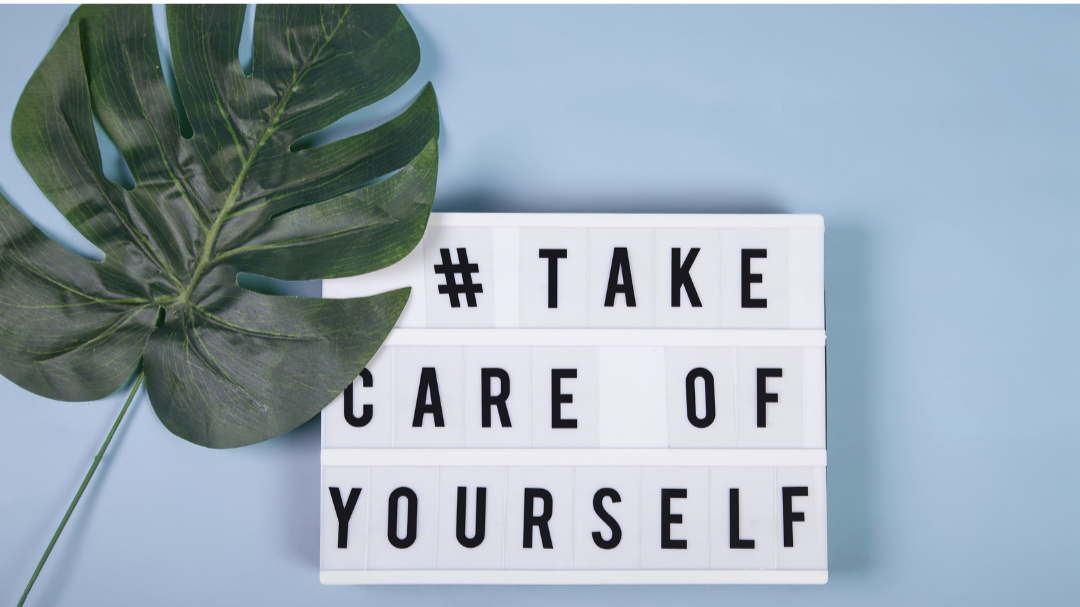
Self-care isn’t about indulging in guilt-free luxury every now and then. It’s a daily, practical commitment to health in a way that enables you to be more present, more capable, and more generous. It is also for everyone. When I was looking for images on self-care, they were all of women, not a man in sight, this is a gender bias. Men need to prioritize there health, rest and recovery just as much as women. Again, this is a narrative that needs to change.
How to practice self-care:
1) Protect your rest
Establish a consistent sleep schedule, even on weekends. Create a wind-down routine: dim lights, gentle stretching, and mindfulness or journaling. Limit screen time 1–2 hours before bed and avoid caffeine late in the day.
2) Use nature as medicine
Spend time outdoors daily, even if it’s a short walk in a park or a few minutes of sunlight. Grounding or earthing practices (bare feet on natural surfaces) can help some people feel more connected and relaxed. Nature sounds, green spaces, and natural light support circadian rhythms and mood. Did you know if you can hear birds singing, it signals to our primitive brain that there are no predators nearby so we are safe.
3) Build daily micro-rests
Short, intentional pauses: 2–3 minutes of box breathing, a quick stretch, or a gratitude moment. Micro-moments of time where you do nothing purposeful—no screens, no multitasking, just sitting and being. Hydration and nourishment scheduled into your day to steady energy and mood.
4) Move with intention, not punishment
Gentle movement (walks, yoga, tai chi) supports nervous system regulation more than punishing workouts when you’re stressed.
Listen to your body: rest when needed, push when energy feels abundant.
5) Nourish, don’t punish
Balanced meals with protein, fibre, healthy fats, and greens stabilize energy and hormones. Regular meals help keep blood sugar stable, reducing irritability and fatigue.
6) Set boundaries with busyness
Protect blocks of time for rest, reflection, and recovery. Learn to say no when an extra commitment would push your system into overwhelm. Delegate and automate where possible to reduce cognitive load.
7) Social wellness without overwhelm
Prioritize meaningful connections over constant activity. Create a small circle of supportive people who understand and respect your well-being boundaries. Digital detox to reduce information overload and mental fatigue.
Remember the advice: “ Always put your own oxygen mask on first before helping others”.